


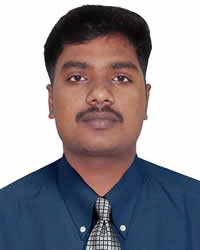

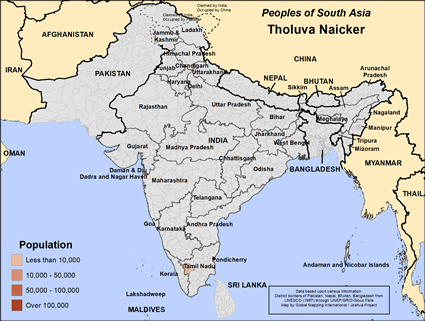
The Tholuva Naicker are a distinct community found primarily in the southern regions of India, especially in Tamil Nadu and Andhra Pradesh. Traditionally, they trace their ancestry to the Nayaka rulers and warriors who served in various South Indian kingdoms. Over generations, the Tholuva Naicker have transitioned from their historical roles as soldiers and administrators to become a settled, agrarian community. Their name, "Tholuva," is believed to be linked to their ancestral homeland or a significant migration event in their past. Oral histories and local traditions play a significant role in preserving their collective memory, with elders recounting tales of valor, migration, and adaptation to changing political landscapes.
Daily life among the Tholuva Naicker centers around agriculture, with many families cultivating rice, millets, and pulses on small plots of land. Some have diversified into other occupations such as trading, small business, or government service, especially in urban areas. Meals are typically simple, featuring rice as a staple, accompanied by lentils, vegetables, and occasionally fish or meat. Family life is close-knit, with extended families often living in proximity and elders holding a respected place in decision-making. Marriages are significant events, marked by elaborate rituals, music, and feasting, reflecting both cultural pride and communal unity. Festivals such as Pongal and Deepavali are celebrated with enthusiasm, bringing together relatives and neighbors for shared meals, traditional games, and religious observances.
The Tholuva Naicker are predominantly Hindu, expressing their faith through devotion to deities such as Vishnu, Shiva, and local village gods. Temples serve as focal points for worship, community gatherings, and annual festivals. Rituals, offerings, and pilgrimages are integral to their spiritual life, reflecting a deep trust in the power of the divine to protect, bless, and guide. Some families also maintain household shrines, where daily prayers and offerings are made. While their religious practices are rooted in Hindu tradition, there are also elements of folk spirituality, including the veneration of ancestral spirits and participation in local festivals that blend religious and cultural themes. Despite these deeply held beliefs, the ultimate hope for salvation and truth is found in Jesus Christ, who alone offers forgiveness and eternal life
The Tholuva Naicker face a range of physical and spiritual needs. Access to quality education and healthcare remains a challenge in many rural areas, limiting opportunities for advancement and well-being. Economic pressures, such as unpredictable harvests and limited employment options, can strain families and communities. Spiritually, there is a need for the good news of Jesus Christ to be shared in a way that is understandable and relevant to their context. Many have never heard the message of salvation through Christ, and there is a need for faithful witnesses who can share the gospel with love and respect. Discipleship and fellowship opportunities are also needed for those who come to faith, so they can grow and stand firm in their new life in Christ.
Pray for improved access to education and healthcare for Tholuva Naicker families.
Ask God to open hearts to the message of Jesus Christ and draw many to faith in him.
Pray for believers among the Tholuva Naicker to be bold and loving witnesses to their neighbors.
Request God's blessing on efforts to translate and distribute Scripture and Christian resources in their language.
Pray for Tholuva Naicker Christians to disciple others in the ways of Jesus Christ.
Scripture Prayers for the Tholuva Naicker in India.
https://www.peoplegroups.org/
https://www.operationworld.org/
https://www.indianchristianity.org/
| Profile Source: Joshua Project |



